Back in the early 1940's, Elizabeth Lawrence wrote "My Southern Garden," a classic that is as timely today as ever. She wrote that "In the South the progress of the season does not follow the accepted pattern of spring, summer, fall and winter. Spring, when spring should come, has already been with us at intervals throughout the winter. Summer lasts into fall and fall into winter. The garden year has no beginning and no end."
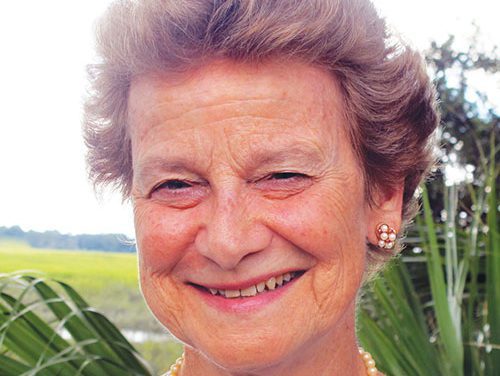
Homeowners are busily preparing for the visitors to the 2013 'Garden a Day' sponsored by The Beaufort Garden Club. This is the annual Garden a Day event first envisioned by club member Marion Leach 19 years ago. Marion, now 90, still attends every garden, every year.
Pollinators are vital to agriculture. Pollination is the transfer of pollen from the male parts of a flower to the female parts of that flower or another flower of the same species. In over 250,000 flowering species the process, which helps to insure genetic diversity, sexual reproduction and seed production, depends on agents to accomplish the transfer. Pollination increases the amount and quality of fruits and vegetables. Wind, water, insects, mammals and birds can all work as agents carrying pollen, which is also very high in protein. Some beetles and bees eat pollen, feed it to their young and help to accomplish the exchange of genetic information in many important food crops. In addition to food crops, pollinators are also important to ornamental plant species and those which make medicines, fibers, oils and fats.
Native bees are not social insects like the European honeybee and they forage for food as solitary insects. Instead of living in hives, they make nests in small holes in trees, shrubs and in the ground. Some will store pollen with eggs laid in these holes and seal them with mud so their young will have a ready source of protein. Native bees come in all shapes and sizes, from the hefty yellow-faced bumble bee to the tiny Perdita minima. Their names may suggest their appearance or occupation. Some of my favorite names are Wandering Cuckoo bee, Rusty-patched bumble bee, Southeastern blueberry bee, Blue orchard bee, and Impatient Bumble bee. There are over 3,000-4,000 species of solitary twig nesting and ground nesting solitary bees in North America. They are very efficient pollinators and are usually gentle with a mild sting or none at all.
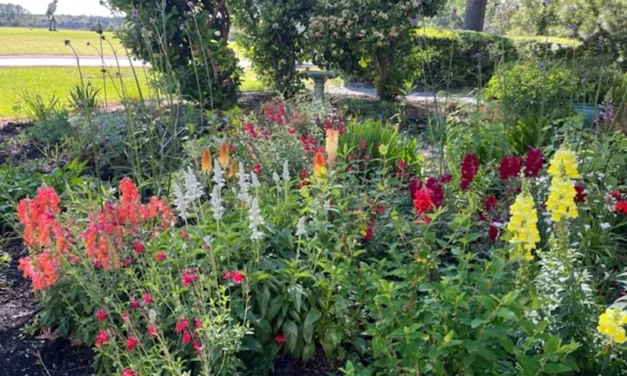
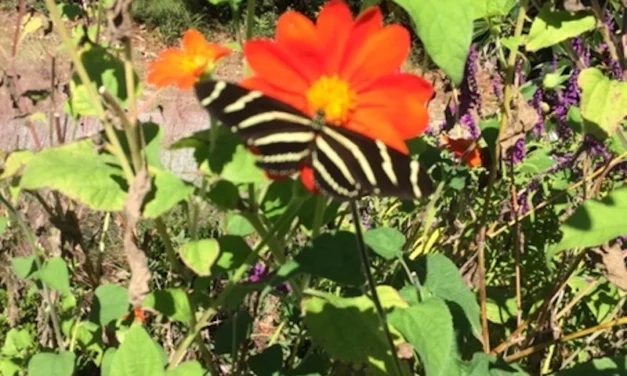
To attract native bees, gardeners need to plant a variety of nectar and pollen rich flowers, lots of shapes, colors and sizes. Annual and perennial Salvias, black eyed Susan, and Verbenas are on all gardeners lists. One size doesn't fit all. These will of course include native species, because many of our insects are dependent on certain species to feed them or their young. You will also need to have things that bloom from early spring to late fall. Everything alive needs water, and a source of fresh water is also a necessary thing to provide our pollinizer friends. Shallow dishes or small birdbaths are ideal, and mud puddles provide building and packing materials for little "bundles of joy." Nesting material and small piles of leaves and branches will provide cover and overwintering sites for pollinators, so leave the leaves and don't try to be too tidy; your mess is somebodies' home. Lastly, but so importantly, is avoiding or reducing the indiscriminate use of pesticides. Insecticides can kill beneficial insects and herbicides may eliminate food sources and nesting places for native pollinators. I wouldn't want to upset an Impatient Bumble bee would you?
Please come to the Native Plant Society's Southcoast Chapter annual meeting on Saturday, May 18th at the TCL New River Campus at 10am. Topic will be Native Bees, with speaker and local beekeeper Ron Weisburg. Admission is free and open to the public.
This e-mail address is being protected from spambots. You need JavaScript enabled to view it
Plant Lists: Native trees and shrubs: buckeye, chokecherry, pawpaw, beautyberry, yaupon, dwarf palmetto, tulip poplar, magnolia
When you're as lazy a gardener as I am, and when you procrastinate just because you can . . . well, sooner or later you have to get right down and start working in the dirt. Today I reached that point and admitted that the new garden bed had to be addressed immediately.
Warm weather was elusive this spring but I think we can once again begin to nurture our gardens. The Master Gardeners at the Farmers Markets are already fielding questions about tomatoes.
The Award Winning Series Lunch and Learn, presented by the Lowcountry Master Gardeners Association, returns April 13th with a long season of 22 presentations! Classes begin at noon under the gazebo at the Port Royal Farmers Market in Heritage Park.